

Joining the door and window business is a promising investment choice, especially in the context of the growing demand in today's home decoration market. However, for entrepreneurs considering joining the door and window business for the first time, understanding the various costs required for joining is the key to making informed decisions. This article will provide a detailed analysis of the main cost components involved in franchise doors and windows business, helping you to comprehensively grasp relevant information.
1. Franchise fees
The first thing to consider is franchise fees. Franchise fee is the initial fee charged by the brand to obtain the right to use the brand, training support, and marketing resources. The franchise fees for different brands vary greatly, usually ranging from tens of thousands to hundreds of thousands of yuan. The franchise fees for well-known brands are relatively high, while some niche or regional brands are relatively low. It is recommended to consider brand awareness, market reputation, and franchise policies comprehensively when choosing a brand to ensure a return on investment.
2. Store rent and decoration costs
The second major cost of opening a franchise store for doors and windows is rent and decoration expenses. The choice of storefront location directly affects the quality of business, so when considering rent, it is necessary to weigh the advantages of the location and the cost of rent. Generally speaking, the rent for storefronts in urban areas is relatively high, possibly reaching tens of thousands of yuan per month, while rent in suburban or second - and third tier cities is relatively cheaper. The decoration cost depends on the store area, decoration style, and material selection. Usually, the cost of storefront decoration ranges from 100000 to 300000 yuan.
3. Sample and inventory costs
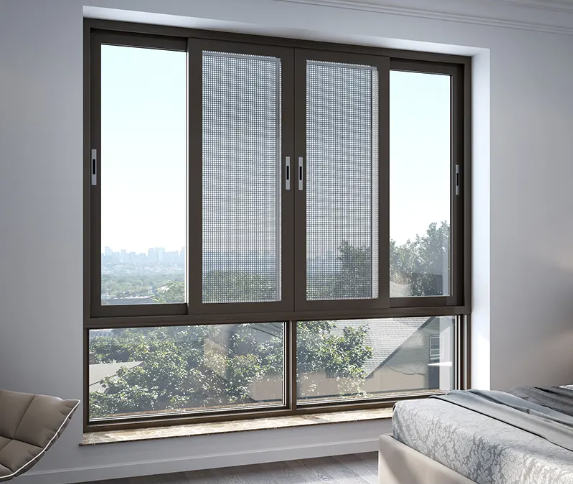
The display of door and window samples is an important part of franchise stores, as customers usually make purchases based on physical samples. Franchisees need to purchase a certain quantity of samples for display, and this cost depends on the quantity and quality of the samples. Generally speaking, the cost of sample procurement ranges from 50000 yuan to 150000 yuan. In addition, franchisees also need to prepare some commonly used inventory to meet daily sales, and the cost of this inventory may be between 100000 and 200000 yuan.
4. Personnel salaries and training expenses
Personnel salaries are a long-term cost in the operation of franchise stores for doors and windows. According to the size of the store, it is usually necessary to hire salespeople, installers, and store managers. The monthly salary cost for personnel ranges from 20000 yuan to 50000 yuan. Some brands provide professional training services, but there are also some brands that require franchisees to bear the cost of employee training themselves, which usually ranges from 10000 to 30000 yuan.
5. Advertising and marketing expenses
In order to attract customers and enhance brand influence, franchisees need to invest a certain amount of advertising and marketing expenses. This part of the cost includes online promotion, offline activities, advertising production, etc. The specific cost depends on the promotion channel and the scale of the event, usually ranging from 10000 to 50000 yuan. Some brand owners may provide partial marketing support, but franchisees still need to bear most of the marketing expenses themselves.
6. Operating miscellaneous expenses
In addition, operational miscellaneous expenses such as water and electricity bills, property management fees, purchase of office equipment, and daily maintenance also need to be considered. These costs are relatively small, but cannot be ignored. Generally speaking, monthly operating miscellaneous expenses range from 5000 yuan to 10000 yuan.
7. Reserve funds
Finally, joining the doors and windows business also requires preparing a portion of reserve funds to cope with possible market fluctuations or unexpected situations. Suggest preparing a reserve fund of 100000 to 200000 yuan to ensure the stability of store operations