

Designing doors and windows to achieve good natural ventilation requires consideration of multiple factors, including window type selection, window position, number and size of doors and windows, building spacing and layout, etc. Here are some specific design suggestions:
1、 Window type selection
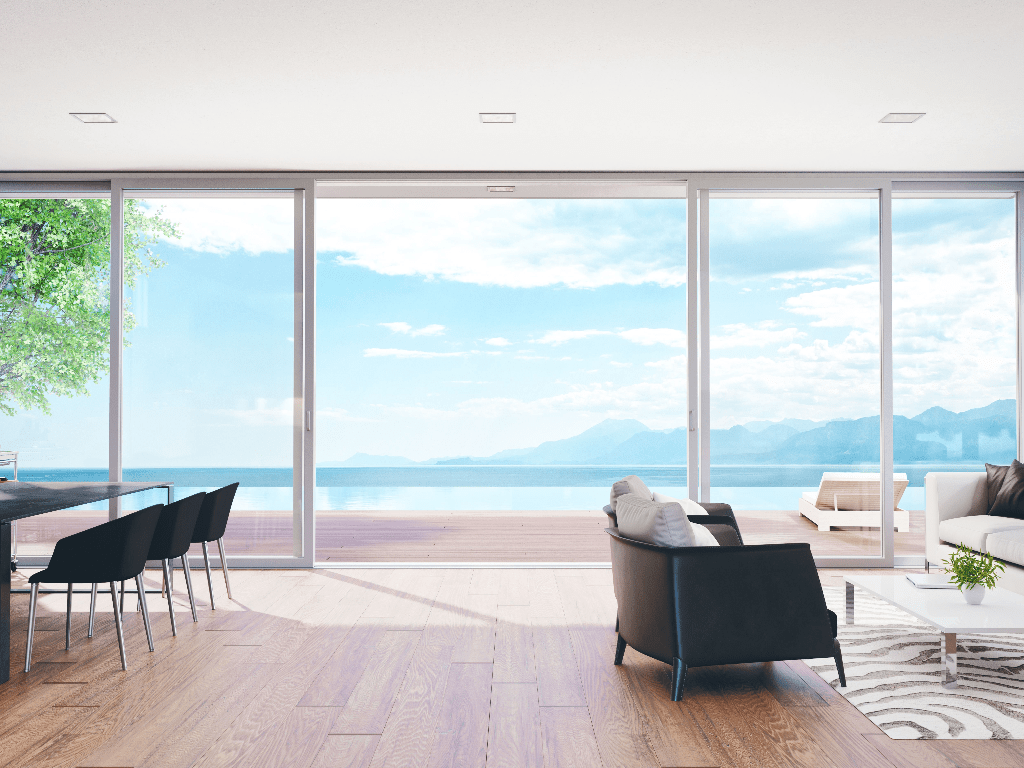
The ventilation effect of windows with different opening methods varies. Generally speaking, the ventilation effect of sliding windows is better than that of casement windows, and casement windows are better than inward facing windows and hanging windows. If you want better ventilation for a casement window, you can choose a window sash that opens 180 degrees. Sliding windows, due to their design features, can maximize the opening area of ventilation openings, thereby providing better ventilation effects.
2、 Window opening position
Misalignment: Place two doors and windows on opposite walls in a staggered position, so that the ventilation path of the doors and windows can cover every corner of the room well, achieving better ventilation effect.
Open multiple windows: If you want fresh air to fill the entire room, you should open two or more windows, and their positions should be staggered, such as one on the front and the other on the side.
3、 Number and size of doors and windows
Quantity: Determine the number of window sashes based on the indoor area. In general, when the ratio of ventilation area to floor area is 5% to 10%, a room can achieve better ventilation effect. For example, having one or two windows in the bedroom and bathroom is sufficient, while large areas such as the living room should have at least two or more windows.
Size: The size of the window also needs to be designed reasonably according to the size of the room. Larger rooms should be designed with larger windows to ensure sufficient ventilation area.
4、 Building spacing and layout
Building spacing: In the planning and design of residential areas, appropriate building spacing should be ensured to create good natural ventilation conditions. If the spacing between buildings is too small, it will affect the sunlight and ventilation effect.
Overall layout: Reasonably control the overall layout of the building, so that the orientation of the building forms a certain angle with the dominant summer wind direction, which helps to introduce natural winds. At the same time, the depth of the building and the length of the bay also need to be appropriate to reduce the impact of eddies on ventilation effectiveness.
5、 Other design points
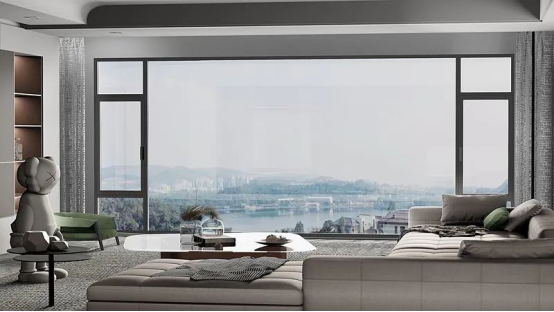
Window design: The design of windows should take into account the smoothness of airflow. For example, the airflow path can be optimized by setting air guiding components or adjusting the opening method of windows.
Steel mesh: If steel mesh is installed on the window, a style with suitable mesh holes and easy disassembly should be selected to ensure that it does not affect ventilation and can also prevent insects.
Natural ventilation environment: When designing doors and windows, it is also necessary to consider the local natural ventilation environment. For example, in areas where the dominant wind direction is obvious in summer, natural wind can be utilized more to achieve indoor ventilation and cooling.
In summary, designing doors and windows to achieve good natural ventilation requires starting from multiple aspects, including window type selection, window position, number and size of doors and windows, building spacing and layout, etc. Through scientific and rational design and layout, natural wind resources can be fully utilized to improve indoor air quality and enhance living comfort.