

Detailed introduction of aluminum tube specifications
Aluminum tubes refer to metal tubular materials that are hollow along their entire longitudinal length and processed by extrusion from pure aluminum or aluminum alloys. It may have one or more closed through holes, with uniform wall thickness and cross-section, and be delivered in a straight line or in rolls. It is widely used in industries such as automobiles, ships, aviation, electrical appliances, agriculture, mechanical and electrical, and home furnishing. Aluminum tubes are classified by shape as square tubes, round tubes, patterned tubes and special-shaped tubes. By extrusion method, they are divided into seamless aluminum tubes and ordinary extruded tubes
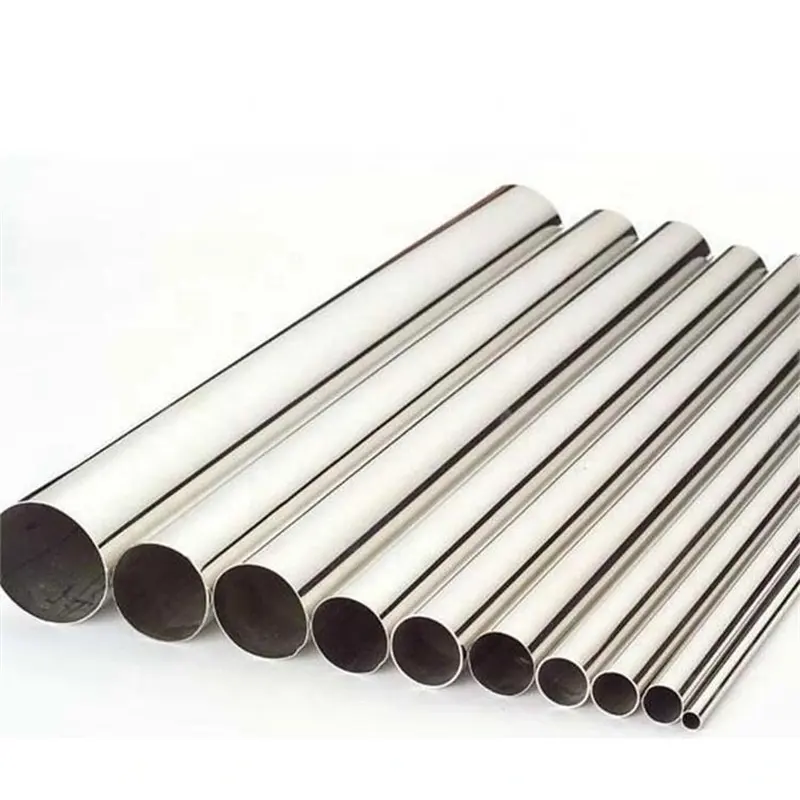
Aluminum tubes are classified by precision into common aluminum tubes and precision aluminum tubes. Among them, precision aluminum tubes generally need to undergo further processing after extrusion, such as cold drawing, fine drawing, and rolling. By thickness: ordinary aluminum tubes and thin-walled aluminum tubes. Performance: Corrosion-resistant, light weight. Aluminum tubes are widely used in various industries, such as automobiles, ships, aviation, electrical appliances, agriculture, mechanical and electrical, home furnishings, etc.
The specifications of the welded aluminum tubes range from 4mm to 1020mm in diameter and 0.7mm to 80mm in wall thickness.
The specifications of seamless aluminum tubes range from 6mm to 640mm in diameter and from 1mm to 65mm in wall thickness.
The specifications of anti-rust aluminum tubes range from 6mm to 600mm in diameter and from 1mm to 50mm in wall thickness.
Magnesium and silicon elements are also present in the aluminum tubes, forming the Mg2Si phase. Among them, a small amount of copper or zinc is added to the 6061 aluminum tubes to enhance the strength of the alloy without reducing the corrosion resistance of the aluminum rods. There is still a small amount of copper in the conductive raw materials to counteract the adverse effects of titanium and iron on electrical conductivity. Zirconium or titanium can refine the grains and control the recrystallization structure. To improve the machinability of 6061 aluminum tubes, lead and bismuth can be added. In Mg2Si, the Mg/Si ratio is 1.73. In the heat-treated form, Mg2Si is solid-dissolved in aluminum, endowing the alloy with artificial aging hardening properties.
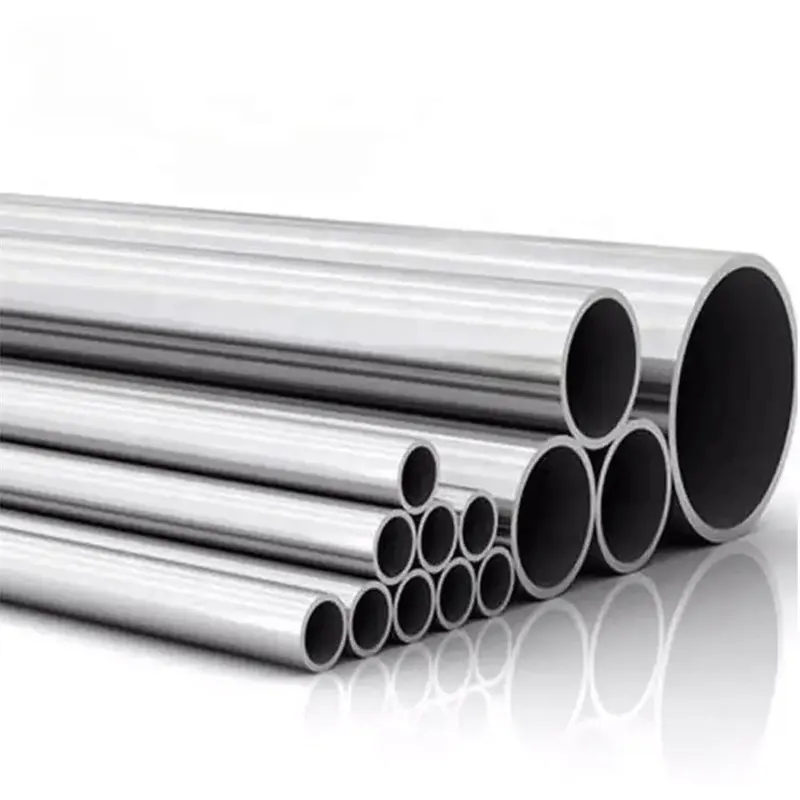
The key alloying elements of 6063 aluminum tube are Mg and Si. The characteristics of this aluminum rod are good processing performance, strong weldability, excellent corrosion resistance, toughness, easy polishing, coating, and excellent anodic oxidation effect. As a typical extruded alloy, it is actually used in architectural profiles, pouring profiles, automotive parts, and other fields.